Most Therapy Helps You Cope. EMDR Helps You Get Unstuck.
There's a difference between learning to manage something and actually clearing it.
Eye Movement Desensitization and Reprocessing (EMDR) targets the memory or experience at the source of the anxiety, the block, the fear, and helps your brain finish processing what it started.
You don't have to talk through everything in detail because your brain already knows how to heal. EMDR gives it the tools to do so.


How It Works
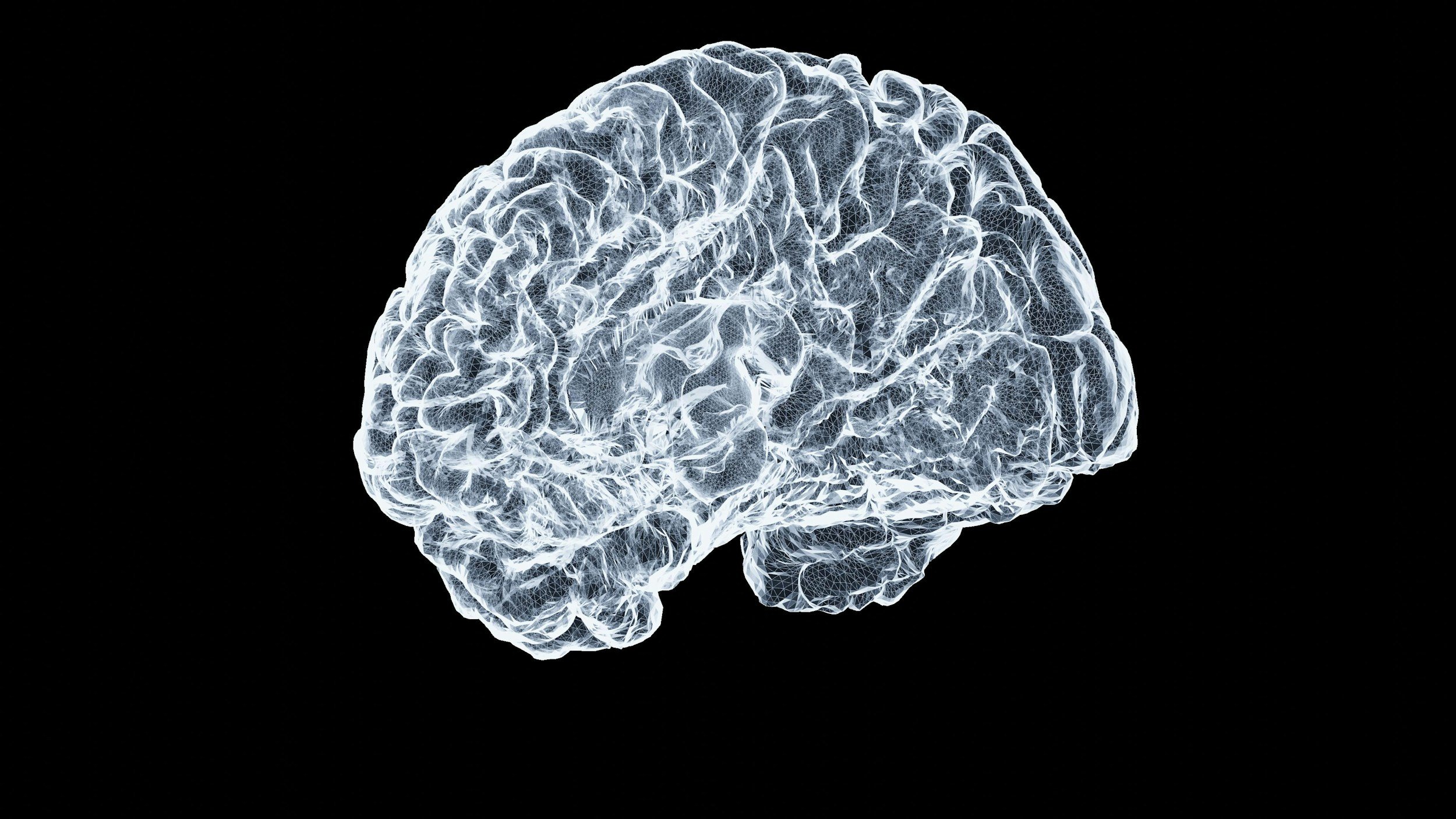
Your brain stores distressing experiences differently than ordinary memories. When something traumatic or deeply stressful happens, the memory can get "frozen" in a way that keeps triggering your body's alarm system long after the event is over.
EMDR uses a technique called bilateral stimulation, usually guided eye movements or gentle tapping, to help your brain reprocess that stored experience. The emotional charge fades, the memory loses its grip, and you move forward.
Sessions run 60 to 90 minutes. EMDR can be used on its own or alongside other therapeutic approaches.


What EMDR Can Help With
Anxiety and panic
Depression
PTSD and trauma
Grief and loss
Sleep disturbance
Performance anxiety
Chronic illness
Life transitions and identity shifts
Injury recovery
Self-doubt and confidence blocks

What Makes EMDR Different
You don't need to narrate every painful detail for it to work. EMDR works at the neurological level, where the stuck emotion actually lives. Many clients are surprised by how fast they notice a shift.
Unlike traditional talk therapy, EMDR doesn't require you to spend session after session talking about the past. It moves efficiently toward resolution.


Is EMDR Right for You?
EMDR is a good fit for people who:
Feel like they've talked about something plenty but nothing has changed
Have a specific event, experience, or belief that keeps surfacing
Are struggling with anxiety, fear, or stress that doesn't respond to other methods
Want results, not just coping strategies